

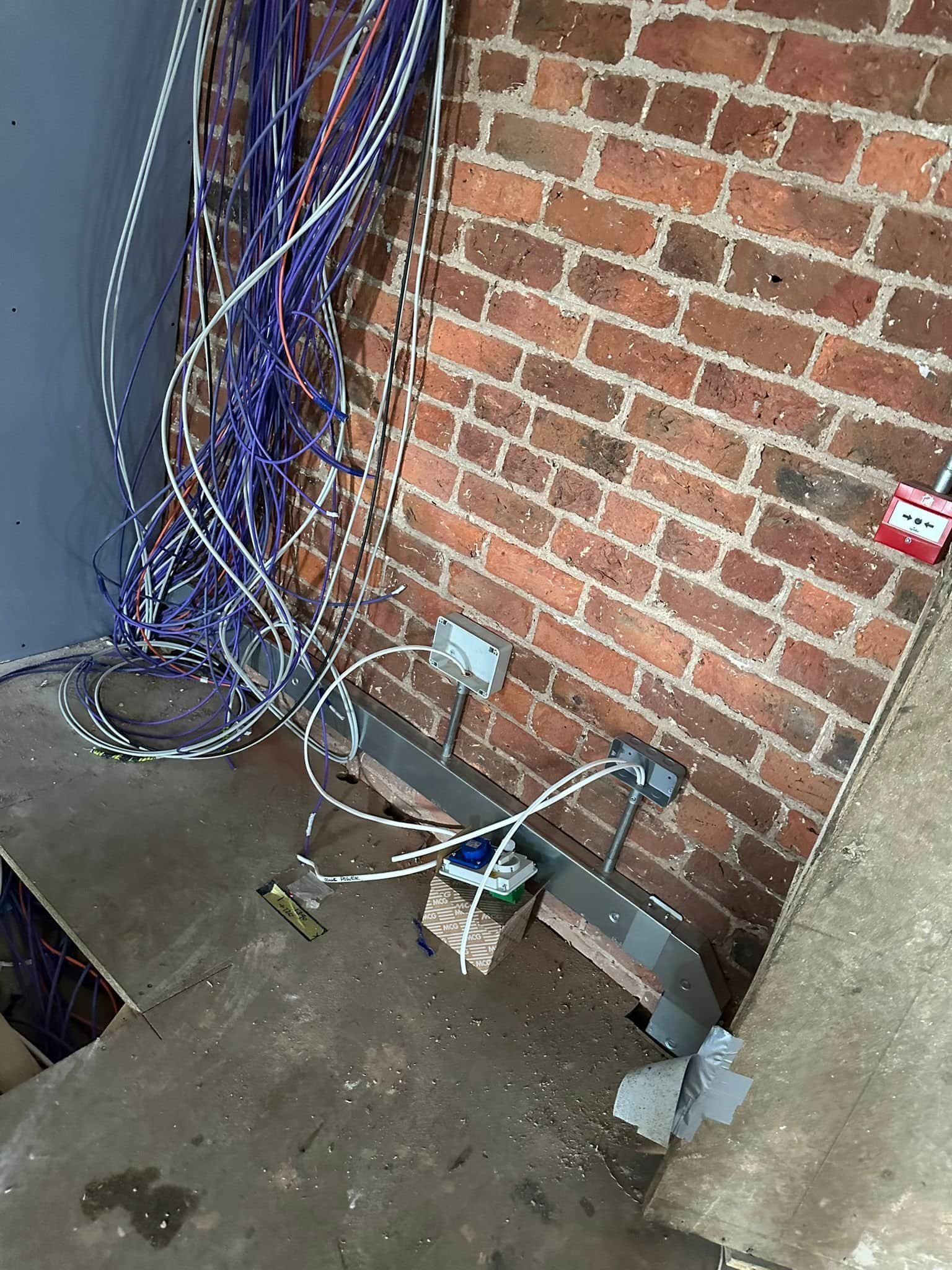
Planning a renovation is exciting. Whether you’re modernising an older property, extending your home or carrying out a full rewire, it’s the perfect opportunity to think beyond new paint, flooring and fixtures. One of the smartest investments you can make is planning your smart home wiring before the walls are closed and the finishes are complete.
Many homeowners purchase smart lights, thermostats or security cameras after their renovation is finished, only to discover that adding the necessary wiring later is expensive, disruptive and sometimes impossible without damaging newly decorated walls. By considering your home’s electrical infrastructure during the planning stage, you create a foundation that supports today’s technology while making future upgrades significantly easier. Modern guidance from experienced smart home installers consistently recommends planning during the first-fix stage, when cables can be installed efficiently and neatly before plastering begins.
In this guide, you’ll learn:
- What smart home wiring actually includes
- Why renovation is the ideal time to install it
- Which systems should be planned before first fix
- How to future-proof your home’s electrical infrastructure
- Common mistakes to avoid during a renovation
If you’re planning electrical work as part of your renovation, Bradley Scott Electrical Servicesl can help you design a practical, future-ready installation that suits your property and lifestyle. Explore the company’s Smart Home Wiring services and Electrical Rewiring services before work begins to ensure your project starts with the right infrastructure.
What Is Smart Home Wiring?
Smart home wiring is the combination of electrical and low-voltage cabling that allows connected devices, automation systems and home networks to communicate reliably throughout a property. It creates the infrastructure needed to support modern smart technology both now and in the future.
Unlike traditional electrical wiring, which simply delivers power to sockets and lighting circuits, smart home wiring also includes structured data cabling, communication cables and dedicated connections for automation systems. Rather than relying solely on Wi-Fi, a properly planned installation creates a robust backbone that supports multiple smart devices working together efficiently.
For homeowners, this means a more reliable connected home with fewer connectivity issues, faster network performance and greater flexibility as technology evolves.
What Does Smart Home Wiring Include?
A professionally designed smart home infrastructure may include:
- CAT6 or CAT6A Ethernet cabling for high-speed networking
- Smart lighting circuits and intelligent lighting controls
- Video doorbell and CCTV wiring
- Alarm and access control systems
- Smart heating and thermostat connections
- Whole-home Wi-Fi access points
- Audio and entertainment cabling
- Electric vehicle (EV) charger preparation
- Wiring for future solar battery storage or energy management systems
Installing these elements during a renovation is considerably more straightforward than attempting to retrofit them after the property has been completed.
Why a Wired Foundation Still Matters
Wireless technology has transformed home automation, but it isn’t always the most dependable solution on its own. Thick walls, larger properties and increasing numbers of connected devices can all reduce wireless performance.
A structured wired network provides several advantages:
- More reliable internet connections
- Faster data transfer speeds
- Reduced network congestion
- Improved security for connected systems
- Easier future expansion
The best smart homes don’t rely exclusively on wired or wireless technology, they combine both. A wired backbone supports essential infrastructure, while wireless devices provide flexibility where cabling isn’t practical. This hybrid approach is widely recommended by experienced installers because it delivers greater long-term reliability and scalability.
Why Renovation Is the Best Time to Install Smart Home Wiring
If you’re already opening walls, lifting floors or carrying out a rewire, you’ve reached the ideal stage to plan smart home infrastructure.
The electrical first fix is when cables are installed before plasterboard and finishes are applied. This provides unrestricted access for routing power cables, Ethernet, conduits and low-voltage wiring exactly where they’re needed. Once walls are closed, every additional cable run becomes more labour-intensive, more disruptive and more expensive. Experienced smart home specialists consistently recommend engaging your electrician before the first-fix stage so the infrastructure can be designed alongside the wider renovation.
Avoid Expensive Retrofitting
One of the biggest mistakes homeowners make is treating smart technology as an upgrade that can easily be added later.
While wireless devices make retrofits possible, they rarely offer the same flexibility as a properly planned wired installation. Retrofitting may require:
- Chasing new channels into finished walls
- Removing ceilings or flooring
- Repainting decorated rooms
- Relocating electrical accessories
- Running visible surface-mounted cables
Planning ahead avoids these unnecessary costs while giving you far more options for future upgrades.
Think Beyond Today’s Technology
A renovation isn’t just about installing devices you intend to use today, it’s about preparing your property for technologies you may want in five, ten or even fifteen years.
Simple decisions made during the first fix can make a significant difference later, including:
- Installing spare conduit for future cable runs
- Running additional CAT6 cabling to key rooms
- Choosing a central location for networking equipment
- Leaving spare capacity within the consumer unit where appropriate
- Planning dedicated locations for ceiling-mounted Wi-Fi access points
These relatively small investments can save thousands of pounds in future retrofit work while making your home far easier to upgrade as technology evolves. Current smart home design guidance also recommends considering emerging technologies such as smart energy management, EV charging and integrated home automation systems during the initial planning phase.
Before carrying out any electrical alterations, ensure the work complies with the latest UK wiring requirements and is completed by a competent electrician working to BS 7671 (IET Wiring Regulations) and relevant Building Regulations.
What Should You Pre-Wire During a Renovation?
Once you’ve decided to invest in smart home wiring, the next step is determining exactly what should be installed before the walls are closed. Every home is different, but there are several essential systems that almost every modern property will benefit from.
A good rule of thumb is to think about how you use your home today, and how you might use it in the next 10 to 20 years. Technology changes rapidly, but the wiring hidden behind your walls is designed to last for decades. Installing a little extra infrastructure now can save considerable time, money and disruption in the future. Industry guidance consistently recommends coordinating electrical first-fix work with low-voltage cabling so both systems are planned together rather than independently.
Plan a Reliable Home Network
A strong home network is the backbone of every connected property. While Wi-Fi continues to improve, many smart devices still perform best when supported by structured cabling.
During your renovation, consider installing:
- CAT6 or CAT6A Ethernet cables to key rooms
- At least two data points in living areas and home offices
- Ceiling-mounted Ethernet points for future Wi-Fi access points
- A central network or communications cupboard
- A network switch with room for future expansion
Locating all networking equipment in one organised location also makes future maintenance much simpler.
Expert Tip: Even if you don’t need every data outlet immediately, spare Ethernet cables are inexpensive to install while the walls are open and provide valuable flexibility later.
Prepare Your Lighting for Smart Controls
Lighting is often the first smart home upgrade homeowners choose, so it’s worth planning properly from the beginning.
Your electrician can prepare for:
- Smart switches
- Intelligent dimming systems
- Motion and occupancy sensors
- Scene lighting
- Exterior lighting automation
- Garden lighting controls
Many modern smart switches also require a neutral wire at the switch position. Older properties may not have this arrangement, making renovation the ideal time to update the wiring while access is straightforward. Installing deeper back boxes can also provide additional space for smart switch modules and future upgrades.
Install Wiring for Home Security
Security systems are significantly easier to install during a renovation than after the property is finished.
Consider pre-wiring for:
- CCTV cameras
- Video doorbells
- Intruder alarms
- Smart locks
- Motion detectors
- Driveway cameras
- Garden security lighting
Where possible, Power over Ethernet (PoE) connections for cameras provide both power and data through a single cable, delivering a more reliable solution than battery-powered alternatives.
Don’t Forget Heating and Energy Management
Smart heating controls are no longer just a convenience, they can also help improve comfort and energy efficiency.
During first fix, you can prepare for:
- Smart thermostats
- Zoned heating controls
- Underfloor heating controllers
- Heat pump controls
- Smart hot water systems
- Energy monitoring equipment
If you’re considering an electric vehicle charger, solar panels or battery storage in the future, discuss these plans with your electrician early. Allowing suitable cable routes, dedicated circuits and consumer unit capacity now is usually much more cost-effective than retrofitting later.
Think Room by Room
Instead of treating your home as one large project, plan each room according to how it will be used.
| Room | Recommended Smart Wiring | Future Opportunities |
| Living room | CAT6, TV data points, speaker cables | Home cinema, gaming |
| Kitchen | Smart lighting, appliance connections | Smart appliances |
| Home office | Multiple Ethernet outlets | High-speed networking |
| Bedrooms | Smart lighting, thermostat wiring | Motorised blinds |
| Garage | EV charger preparation | Battery storage |
| Garden | Outdoor lighting, CCTV, power | Irrigation, outdoor entertainment |
This room-by-room approach helps ensure nothing important is overlooked and makes your smart home more adaptable as your family’s needs change.
Wired vs Wireless Smart Homes: Which Is Better?
One of the most common questions homeowners ask is whether they should invest in wired systems or simply rely on wireless smart devices.
The reality is that the best solution is usually a combination of both.
Wireless products are quick to install and ideal for devices that may be moved or upgraded regularly. However, critical systems such as networking, security cameras and structured communications often benefit from a wired backbone, providing greater reliability, faster performance and reduced interference.
| Feature | Wired Infrastructure | Wireless Devices |
| Reliability | Excellent | Good |
| Speed | Very high | Depends on signal strength |
| Future expansion | Excellent | Moderate |
| Installation | Best during renovation | Can be added later |
| Maintenance | Minimal | Battery changes and network management |
| Security | More secure connections | Depends on network security |
Rather than choosing one approach over the other, think of structured wiring as the foundation of your smart home. Your internet, CCTV, access points and other core systems remain dependable, while wireless devices such as voice assistants, smart plugs and sensors add convenience and flexibility.
This hybrid approach gives you the freedom to adopt new technology without constantly modifying your home’s electrical infrastructure, ensuring your renovation continues to deliver value long after the decorating is complete.
Future-Proof Your Home: Smart Wiring Decisions You’ll Thank Yourself for Later
Technology evolves quickly, but the wiring hidden behind your walls is expected to last for decades. That’s why one of the most valuable parts of any renovation isn’t buying the latest smart gadgets, it’s installing an electrical infrastructure that can adapt as your needs change.
Rather than designing your home around today’s devices, think about how your property might evolve over the next 10 to 20 years. Whether you eventually add an EV charger, solar panels, motorised blinds or a whole-home automation system, thoughtful planning now will make future upgrades significantly easier and less expensive. Industry experts consistently recommend treating the first-fix stage as an opportunity to build flexibility into your home rather than simply meeting your current requirements.
Install More Data Points Than You Think You’ll Need
A common regret among homeowners is not installing enough network connections while renovation work was underway.
Although many devices connect wirelessly, hardwired connections remain the most reliable option for equipment that demands consistent performance.
Consider installing:
- Two CAT6 or CAT6A outlets in living rooms and home offices
- Ethernet connections behind every television
- Ceiling data points for wireless access points
- Network connections for CCTV cameras
- Spare data outlets in bedrooms and future home offices
Because cabling is relatively inexpensive during first fix, adding a few extra runs now can eliminate costly alterations later. Structured cabling also provides greater flexibility if your family’s technology needs change over time.
Leave Space for Future Expansion
One of the simplest yet most overlooked ways to future-proof a home is installing empty conduit.
Conduit allows additional cables to be pulled through walls and ceilings without opening finished surfaces. Even if you don’t know exactly what technology you’ll install in the future, spare conduit provides valuable flexibility for upgrades.
Your electrician may also recommend:
- Spare capacity within the consumer unit
- Larger back boxes for smart switches
- Clearly labelled cable routes
- Service loops that allow easier maintenance
- A dedicated communications cupboard for networking equipment
These relatively small decisions can save significant time and expense when adding new technology years later.
Prepare for Tomorrow’s Technology
Many homeowners now renovate with energy efficiency and sustainability in mind.
Even if you aren’t planning to install every smart system immediately, consider preparing for:
- Electric vehicle charging
- Solar photovoltaic (PV) systems
- Home battery storage
- Smart energy monitoring
- Heat pumps
- Advanced heating controls
- Future home automation platforms compatible with Matter and Thread
Preparing cable routes and electrical capacity during your renovation helps ensure these technologies can be integrated with minimal disruption in the future.
Best Practice: Ask your electrician to design your installation with expansion in mind. It is far easier to leave spare capacity today than to replace infrastructure later.
Common Smart Home Wiring Mistakes to Avoid
Even well-planned renovations can overlook important details if smart technology isn’t considered early enough. Avoiding these common mistakes can improve reliability, reduce future costs and help your smart home perform as intended.
Waiting Until the End of the Renovation
The biggest mistake is leaving smart home planning until after plastering or decorating has been completed.
At that stage, adding new cables often requires:
- Chasing finished walls
- Lifting flooring
- Redecorating completed rooms
- Accepting visible cable routes
Planning before the electrical first fix allows wiring to be installed cleanly while the structure is still accessible.
Relying Entirely on Wi-Fi
Wireless technology is convenient, but depending exclusively on Wi-Fi can lead to:
- Dead spots
- Slower network speeds
- Signal interference
- Reduced reliability for security devices
A hybrid approach, using structured cabling for core infrastructure while connecting portable devices wirelessly, provides the best balance between performance and convenience.
Forgetting Future Expansion
Many homeowners only install wiring for the devices they currently own.
Instead, think ahead by allowing for:
- Additional lighting circuits
- Future CCTV cameras
- Outdoor entertainment areas
- Smart irrigation
- Home office upgrades
- Extra network equipment
Planning for future needs now costs relatively little compared with retrofitting after your renovation has been completed.
First-Fix Smart Home Checklist
Before your walls are closed, make sure you:
✔ Photograph every cable route.
✔ Label all data cables.
✔ Install spare conduit where practical.
✔ Use sufficiently deep back boxes.
✔ Include spare CAT6 outlets.
✔ Plan a central communications cupboard.
✔ Confirm CCTV and Wi-Fi access point locations.
✔ Test all wiring before plastering.
This simple checklist can help prevent many of the expensive issues homeowners experience after moving back into their newly renovated property.
Should You DIY or Hire a Qualified Electrician?
Some aspects of smart home planning are well suited to homeowners, while others should always be carried out by a qualified professional.
You can confidently decide:
- Where televisions will be located
- Which rooms need stronger Wi-Fi
- Where you want smart lighting
- Future home office locations
- CCTV coverage
- Outdoor lighting preferences
However, electrical design, consumer unit upgrades, circuit testing and certification should always be completed by a competent electrician working in accordance with BS 7671 (IET Wiring Regulations) and UK Building Regulations.
When choosing an electrician, look for:
- Experience with renovation projects
- Smart home installation knowledge
- Membership of recognised competent person schemes such as NICEIC
- Appropriate insurance
- Positive customer reviews
- Clear communication throughout the design process
Working with an experienced electrical contractor from the planning stage helps ensure your renovation is safe, compliant and ready for future technology.
Smart Home Wiring Planning Checklist Before You Renovate
After deciding what systems you’d like to include, it’s time to bring everything together into a practical plan. Having a clear checklist before electrical work begins helps ensure nothing important is missed during the first-fix stage, when changes are easiest and most cost-effective.
Use this checklist when discussing your renovation with your electrician or builder.
Your Smart Home Wiring Checklist
Before first-fix electrical work starts, make sure you have considered:
✔ The location of your internet entry point and broadband equipment
✔ A central communications or network cabinet for routers and switches
✔ CAT6 or CAT6A data points for key rooms
✔ Ceiling locations for future Wi-Fi access points
✔ Smart lighting circuits and switch positions
✔ Smart thermostat and heating controls
✔ CCTV cameras and video doorbell locations
✔ Alarm sensors and external security lighting
✔ Television, media and speaker cable routes
✔ Home office networking requirements
✔ Outdoor power and lighting
✔ Electric vehicle (EV) charger preparation
✔ Future solar PV and battery storage requirements
✔ Spare conduit for future cable installations
✔ Photographs of cable routes before plastering
✔ Labelling every cable during installation
Completing these tasks during a renovation helps create a home that’s easier to maintain, simpler to upgrade and better prepared for future technology. Professional installers also recommend testing all cables before walls are closed to avoid unnecessary remedial work later.
Is Smart Home Wiring Worth the Investment?
For most homeowners already renovating or carrying out a rewire, the answer is yes.
The greatest value doesn’t necessarily come from the smart devices themselves, it comes from installing the infrastructure that supports them.
Smart home wiring is particularly worthwhile if you:
- Are carrying out a full or partial renovation
- Need a complete electrical rewire
- Want faster, more reliable home networking
- Plan to install CCTV or smart security
- Expect to own an electric vehicle
- Intend to add solar panels or battery storage later
- Want to increase your home’s adaptability for future technology
Although structured wiring involves a higher upfront investment than relying solely on wireless devices, it often reduces long-term costs by avoiding expensive retrofits and making future upgrades far less disruptive.
When Might Wireless Solutions Be Enough?
Not every property requires extensive structured cabling.
Wireless smart home products may be sufficient if you:
- Rent your property
- Live in a recently built home with suitable infrastructure
- Only plan to install a few smart devices
- Have a limited renovation budget
- Cannot access walls or ceilings
- Want a simple entry into home automation
Many homeowners find that a hybrid approach offers the best balance. A wired backbone can support essential services such as networking and security, while wireless devices provide flexibility for lighting, sensors and voice control. This approach combines reliability with convenience and is widely regarded as the most practical solution for modern homes.
Plan Today for a Smarter Home Tomorrow
A successful smart home begins long before the first device is installed. By planning your smart home wiring during a renovation, you can create an electrical infrastructure that supports faster networking, smarter lighting, enhanced security and future technologies without the expense and disruption of retrofitting later.
If you’re preparing for a renovation in London, Essex, Kent or the surrounding areas, Bradley Scott Electrical Services can help design and install a future-ready electrical system tailored to your home and lifestyle. Explore the company’s Electrical Design, Data & Network Installations, Smart Home Systems, and Testing & Inspection services, or visit the Contact page to arrange a consultation before first-fix work begins.
For additional guidance on electrical safety and industry best practices, consult authoritative resources from Electrical Safety First, the Institution of Engineering and Technology (IET) and NICEIC, which provide up-to-date information on safe electrical installations and compliance with UK standards.
Frequently Asked Questions
What is smart home wiring?
Smart home wiring combines traditional electrical wiring with structured data cabling to support connected devices, home automation systems and reliable networking throughout a property.
When should smart home wiring be installed?
The ideal time is during the first-fix stage of a renovation or new build, before plasterboard and finishes are installed. This makes cable installation easier, more cost-effective and less disruptive.
Do I need Ethernet in every room?
Not every room, but installing CAT6 cabling in living areas, home offices, television locations and potential Wi-Fi access point locations provides excellent flexibility for future upgrades.
Can smart home wiring be added after a renovation?
Yes, but retrofitting is often more expensive and may require lifting floors, opening walls or redecorating. Planning ahead during a renovation is usually the more practical option.
Is CAT6 better than Wi-Fi?
They work best together. CAT6 provides reliable high-speed connections for fixed devices and networking equipment, while Wi-Fi offers convenient wireless access for mobile and portable devices.
Will smart home wiring increase my property’s value?
Although every property is different, modern electrical infrastructure, reliable networking and future-ready installations are attractive features for many buyers, particularly in technology-focused households.
Do I need a qualified electrician?
Yes. Electrical installations should always be designed, tested and certified by a competent electrician working to the latest BS 7671 Wiring Regulations and relevant UK Building Regulations.