

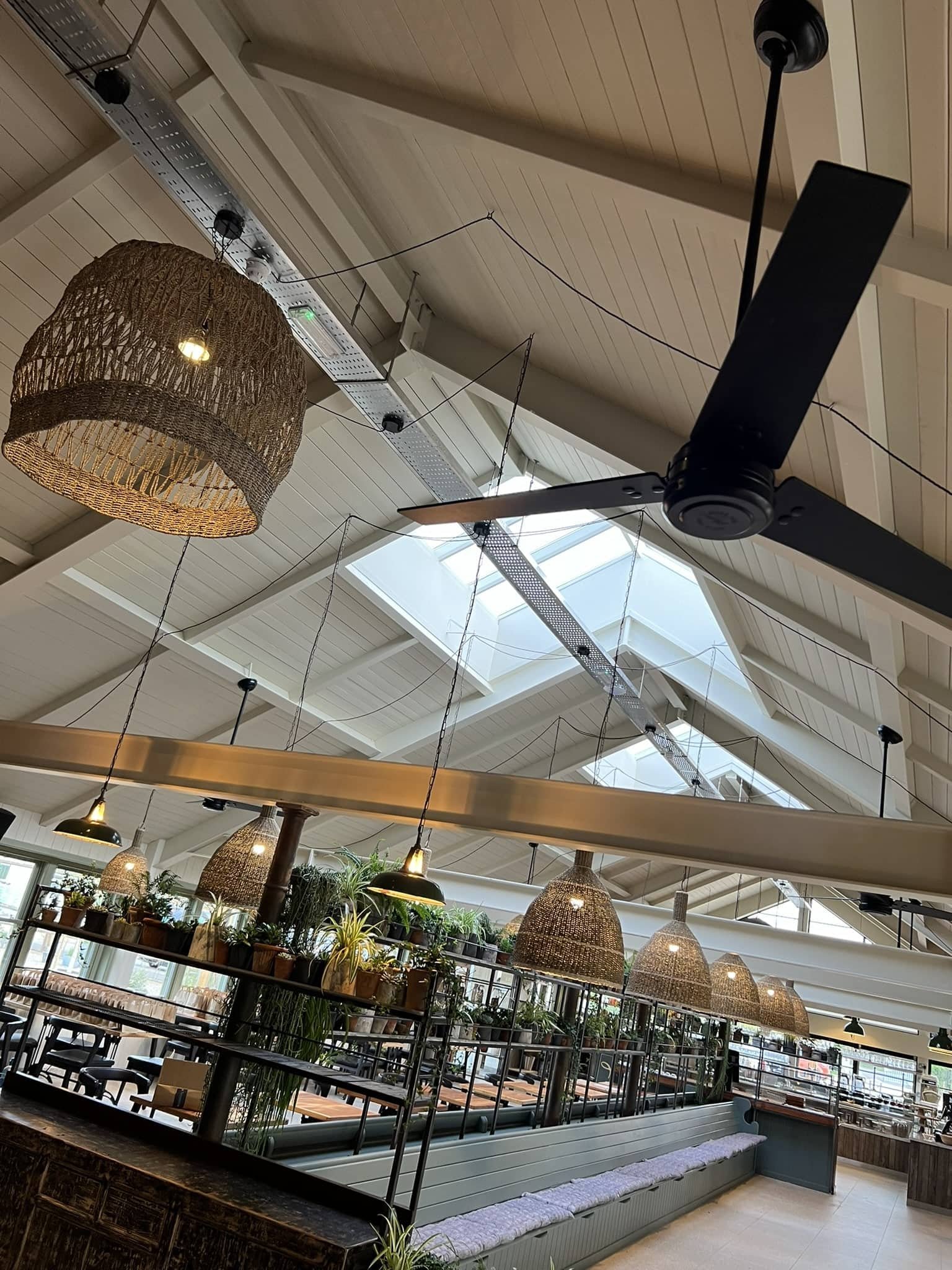
A well-planned lighting installation improves safety, functionality, energy efficiency and aesthetics across residential, commercial and outdoor spaces. From modern LED downlights to durable outdoor lighting systems, professional installation ensures compliance with UK regulations, long-term reliability and the right lighting for every environment. This guide explains the key considerations, options and best practices when planning lighting installations, helping property owners and businesses make informed decisions.
Why Lighting Installation Matters More Than You Think
Lighting does far more than illuminate a space. It influences how a property feels, how safely it functions and how efficiently it operates. Poor lighting design can create glare, shadows and unsafe environments, while a professionally planned lighting installation enhances usability, comfort and visual appeal.
For homeowners, lighting defines living areas, highlights architectural features and supports everyday tasks. For commercial properties, it directly affects productivity, compliance and customer experience. Outdoors, lighting improves visibility, deters unwanted activity and extends the usability of external spaces.
At Bradley Scott Electrical, lighting installations are approached with a focus on safety, performance and long-term value, ensuring every system is installed to the highest professional standard.
Understanding UK Lighting Regulations and Safety Standards
Before any lighting installation begins, compliance with UK electrical regulations is essential. Lighting systems must be installed in line with current wiring regulations and building standards to ensure safety and legality.
Key considerations include:
- Electrical work must comply with BS 7671 wiring regulations
- Certain installations require certification under Building Regulations Part P
- Outdoor and bathroom lighting must meet specific protection standards
- Commercial premises may require emergency or fire safety lighting
Using a qualified electrical contractor ensures all installations are compliant, tested and documented correctly. This protects property owners from safety risks and future liability.
Downlights: A Popular Choice for Modern Interiors
What Are Downlights?
Downlights are recessed ceiling lights that direct light downward. They are widely used in modern homes and commercial interiors due to their clean appearance and versatility. When installed correctly, they provide even illumination without cluttering ceilings.
Downlights are commonly used in:
- Kitchens
- Living rooms
- Bathrooms
- Hallways
- Offices and commercial spaces
Types of Downlights
There are several downlight options available, each suited to different applications:
LED Downlights
These are the most energy-efficient and popular options. They produce minimal heat, have a long lifespan and significantly reduce energy consumption.
Fire-Rated Downlights
Essential for ceilings where fire resistance must be maintained, particularly in multi-storey buildings. These help slow the spread of fire between floors.
Bathroom-Rated Downlights
Designed for use in wet areas, these have appropriate ingress protection ratings to prevent moisture-related hazards.
Planning Downlight Placement Correctly
Proper placement is key to achieving balanced lighting and avoiding harsh shadows or dark spots.
Spacing and Layout
Downlights should be spaced evenly across the room. A general guideline is to position them approximately 600mm away from walls and evenly apart across the ceiling. However, the final layout should consider:
- Room size
- Ceiling height
- Natural light availability
- Intended use of the space
Task vs Ambient Lighting
Downlights are excellent for general illumination, but they should be combined with other lighting types for best results. Task lighting may be required in kitchens or work areas, while ambient lighting creates a softer atmosphere in living spaces.
Layered lighting provides flexibility and allows spaces to adapt to different uses throughout the day.
Installing Downlights Safely and Correctly
Installing downlights involves cutting ceiling apertures, running cables and connecting circuits. This must be done carefully to avoid damaging ceilings, insulation or wiring.
Key installation considerations include:
- Isolating the electrical supply before work begins
- Using correct cut-out sizes for fittings
- Allowing sufficient clearance around fittings
- Ensuring compatibility with insulation materials
- Testing circuits thoroughly after installation
Incorrect installation can lead to overheating, fire risk or circuit failure. Professional installation ensures the system is safe, efficient and built to last.
Other Indoor Lighting Options to Consider
While downlights are popular, they are most effective when combined with other lighting solutions.
Pendant Lighting
Pendant lights are ideal as focal points over dining tables, kitchen islands or reception areas. They add character while providing focused illumination.
Wall Lights
Wall lights are effective for hallways, staircases and feature walls. They add depth and reduce reliance on overhead lighting.
Under-Cabinet Lighting
Common in kitchens, under-cabinet lights improve visibility on worktops and enhance functionality.
LED Strip Lighting
Used for decorative or architectural effects, LED strip lighting can highlight shelving, steps or ceiling features.
Each lighting type serves a different purpose, and combining them creates a well-balanced lighting design.
Outdoor Lighting: Function, Safety and Style
Outdoor lighting must withstand weather exposure while delivering safe and reliable illumination. When installed correctly, it enhances security, improves visibility and adds visual appeal to external spaces.
Why Outdoor Lighting Is Important
Outdoor lighting:
- Improves safety on paths, driveways and entrances
- Deters unwanted activity
- Enhances landscaping and building features
- Extends usability of outdoor areas
Choosing the Right Outdoor Lighting
Ingress Protection Ratings
Outdoor lights must be designed to resist water and dust. This is indicated by an IP rating. The higher the rating, the greater the protection.
Lighting installed near ground level, water features or exposed areas should have higher protection ratings to ensure durability and safety.
Types of Outdoor Lighting
Common outdoor lighting options include:
- Wall-mounted exterior lights
- Pathway and bollard lighting
- Floodlights for security
- Garden and landscape lighting
- Motion-sensor lighting
Each type serves a specific purpose and should be selected based on location and use.
Planning an Outdoor Lighting Layout
Effective outdoor lighting starts with careful planning.
Consider:
- Key access points and walkways
- Areas requiring security lighting
- Features to highlight, such as gardens or architectural elements
- Light direction to avoid glare or light pollution
A combination of ambient, task and security lighting creates a balanced and functional outdoor environment.
Outdoor Lighting Installation Considerations
Outdoor installations involve additional safety and technical requirements.
Important factors include:
- Weatherproof cabling and fittings
- Proper cable routing and protection
- Secure mounting of fixtures
- RCD protection for circuits
- Correct isolation and testing
Outdoor electrical work should always be carried out by qualified professionals to ensure long-term safety and compliance.
Emergency and Commercial Lighting Requirements
In commercial and public buildings, emergency lighting may be legally required. This ensures safe evacuation during power outages or emergencies.
Emergency lighting systems must:
- Illuminate escape routes
- Remain operational during power loss
- Be tested and maintained regularly
Professional installation ensures compliance with relevant safety standards and protects building occupants.
Energy-Efficient and Smart Lighting Solutions
Modern lighting technology allows for greater control and energy savings.
Benefits of LED Lighting
LED lights:
- Consume significantly less energy
- Last longer than traditional bulbs
- Produce less heat
- Reduce maintenance costs
Smart Lighting Controls
Smart systems allow users to:
- Control lighting remotely
- Set schedules and timers
- Use motion or daylight sensors
- Reduce unnecessary energy use
These solutions are ideal for both homes and commercial properties looking to improve efficiency and control.
Health, Safety and Professional Installation
Electrical safety should never be compromised. Poorly installed lighting systems can lead to electric shocks, fire risks and premature failure.
Professional installation ensures:
- Safe wiring and connections
- Compliance with UK regulations
- Reliable performance
- Proper testing and certification
Choosing an experienced electrical contractor protects both people and property.
Conclusion
Lighting plays a vital role in how spaces function, feel and perform. Whether you are upgrading indoor lighting, installing modern downlights or planning a robust outdoor lighting system, professional installation ensures safety, efficiency and long-term reliability.
Bradley Scott Electrical delivers high-quality lighting installations across residential, commercial and industrial properties, with a focus on compliance, performance and client satisfaction. Contact us, for expert advice or to discuss your lighting project.