

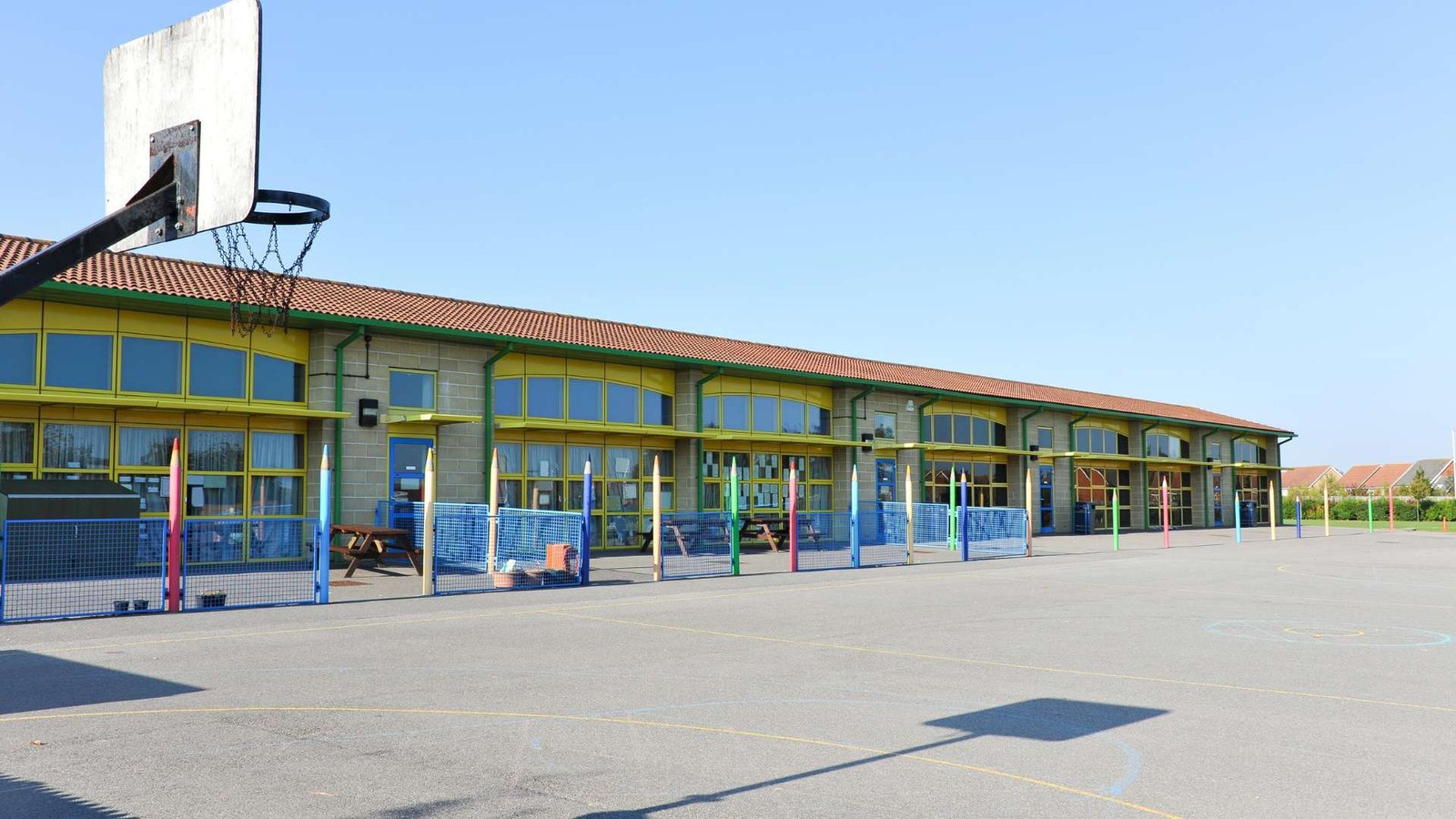
Lighting plays a crucial role in shaping the quality of learning environments across schools, colleges, and universities. In educational institutions, proper lighting design impacts concentration, safety, comfort, and overall performance. According to Building Bulletin 90: Lighting Design for Schools and related Department for Education (DfE) guidance, effective illumination supports visual clarity, reduces fatigue, and promotes a positive learning atmosphere. When carefully planned, lighting design for educational institutions goes beyond functionality, it enhances wellbeing, supports sustainability, and fosters an inspiring environment for students and staff alike.
If you’re planning a lighting upgrade or new installation, contact Bradley Scott Electrical Services (BSES Ltd.) today to discuss tailored electrical and lighting solutions for your facility.
The Role of Lighting in Learning Environments
Lighting influences how students engage, learn, and interact within a space. Natural daylight remains the ideal source for learning settings due to its proven benefits on mood, alertness, and academic performance. However, artificial lighting plays an equally important role in ensuring consistent illumination throughout the day, particularly during darker months or in areas where natural light is limited.
A well-designed lighting system balances both daylight and artificial light to create uniform brightness, minimise glare, and ensure energy efficiency. Adaptive controls such as daylight sensors and dimmable fixtures help maintain optimal levels, supporting both comfort and cost-effectiveness.
Key UK Standards and Guidelines
The UK has specific standards governing lighting design in educational facilities. Chartered Institution of Building Services Engineers (CIBSE) Lighting Guide LG5 provides comprehensive recommendations for classroom lighting, visual comfort, and glare control. It outlines how to meet the visual needs of students while reducing energy waste.
In addition, Building Bulletin 90 and DfE Building Design Guidance emphasise lighting quality, energy efficiency, and health considerations. These guidelines help schools meet modern performance standards and ensure that lighting supports both teaching and safety. Compliance with these documents also aligns with broader sustainability goals, especially when integrated with LED technology and smart lighting controls.
Distinct Lighting Requirements for Different Educational Spaces
Different areas within educational institutions have unique lighting needs.
- Classrooms: Require consistent, glare-free lighting that reduces eye strain and supports reading and writing tasks.
- Lecture Halls: Benefit from flexible lighting controls to support multimedia presentations and group activities.
- Laboratories: Demand bright, uniform lighting for accuracy and safety during experiments.
- Corridors and Common Areas: Need adequate illumination for navigation and security while maintaining energy efficiency through motion sensors or timed controls.
A tailored lighting plan ensures each environment supports its intended purpose while maintaining aesthetic appeal and energy savings.
Why Aesthetics, Safety, and Performance Matter
Effective lighting design is a careful balance between aesthetics, safety, and performance. A visually appealing space enhances morale and engagement, while proper illumination ensures safety by reducing accidents and creating a secure atmosphere. Performance, meanwhile, relates to efficiency and long-term functionality, using durable, energy-efficient fixtures that meet sustainability targets.
At Bradley Scott Electrical Services (BSES Ltd.), we specialise in creating lighting solutions that meet these goals. Illuminate your institution with a lighting design that inspires learning and safety. Visit bradleyscottelectrical.com today.
Balancing Aesthetics: Creating Engaging and Flexible Learning Environments
Modern education spaces must do more than provide light; they must inspire, adapt, and nurture. The design of lighting in classrooms, lecture halls, and breakout areas has a profound effect on how students learn, interact, and feel. A thoughtfully lit environment balances aesthetics with functionality, supporting a wide range of teaching styles, subjects, and moods. When lighting complements architecture and purpose, it can transform ordinary rooms into flexible, engaging spaces that enhance both focus and creativity.
The Importance of Natural Daylight and Its Integration with Artificial Lighting
Natural daylight is one of the most valuable resources in a learning environment. It promotes alertness, improves mood, and supports physical wellbeing. Research consistently shows that access to daylight enhances student concentration and performance. Classrooms that are bright, airy, and well-ventilated feel more open and conducive to participation.
However, natural light varies throughout the day, so integrating it with artificial lighting ensures consistent illumination. Smart lighting systems with daylight sensors and automated dimming adjust brightness levels to maintain balance and reduce energy use.
Best practices for integrating natural and artificial lighting include:
- Using large windows and skylights positioned to reduce glare while maximising daylight penetration.
- Installing light shelves or reflective surfaces to distribute daylight deeper into the classroom.
- Pairing daylight with LED fixtures equipped with automatic controls for seamless transitions.
- Ensuring that blinds or shading systems allow flexibility without darkening the space completely.
This combination provides comfort and clarity, ensuring learning continues smoothly no matter the weather or time of day.
Colour Temperature, Light Quality and Visual Comfort
Lighting quality directly influences attention span, visual comfort, and productivity. Colour temperature, measured in Kelvin, determines the mood of a space. Cooler light (around 4000–5000K) stimulates focus, ideal for reading or taking tests, while warmer light (2700–3500K) promotes relaxation and creativity.
A few key considerations for lighting quality include:
- Balanced illumination: Avoid harsh contrasts that create eye strain.
- Glare control: Use diffusers or indirect lighting to minimise discomfort.
- Flicker-free fixtures: Ensure consistent light output, particularly in digital learning environments.
- Task lighting: Provide targeted lighting for lab work, art projects, or reading corners.
When lighting levels and tones are thoughtfully chosen, classrooms can easily shift from energetic to calming, supporting the mental and emotional wellbeing of both students and teachers.
Design for Diversity: Inclusive Lighting for Neurodiverse and Sensory-Sensitive Students
Every student experiences light differently, and inclusivity means recognising those diverse needs. Neurodiverse or sensory-sensitive students, such as those with autism or ADHD, may find overly bright or flickering lights uncomfortable or distracting. Inclusive design reduces visual stress while maintaining adequate visibility.
Inclusive lighting strategies can include:
- Adjustable brightness levels to suit individual sensitivities.
- Indirect or diffused light sources that create a calmer, more uniform atmosphere.
- Layered lighting schemes combining ambient, task, and accent lights for flexibility.
- Eliminating fluorescent flicker with high-quality LED alternatives.
Designing with empathy ensures that all learners can focus without discomfort, promoting equal access to education and a stronger sense of belonging.
Flexible Lighting Controls and Dynamic Use of Space
Schools today often feature multi-purpose rooms that serve as classrooms, performance halls, and collaboration zones. To accommodate these functions, lighting systems must be as versatile as the spaces they serve.
Flexible lighting controls, such as dimmers, preset scenes, and zoned lighting, empower teachers to adapt quickly to different teaching methods and activities. For instance:
- Bright general lighting for lectures and study sessions.
- Softer, warmer tones for group discussions or mindfulness activities.
- Coloured or adjustable lighting for creative workshops or presentations.
Integrating smart controls allows staff to adjust settings via tablets or wall panels, supporting efficiency and comfort. The result is a dynamic learning environment that evolves with every lesson, inspiring engagement and collaboration.
Ensuring Safety and Performance: Practical and Technical Considerations
Lighting in educational environments is more than just about visibility. It plays a vital role in creating a safe, comfortable, and effective learning atmosphere. From classrooms and laboratories to corridors and lecture halls, lighting systems must balance safety, performance, and efficiency to enhance both wellbeing and productivity. Achieving this balance requires attention to key technical metrics, thoughtful design, and the right control strategies that adapt to the needs of students and staff.
Illuminance Levels, Uniformity, and Glare Control
A well-lit learning space depends on maintaining proper illuminance levels, uniformity, and controlling glare. According to standard lighting guidelines, classrooms should achieve consistent light levels across the workspace to prevent eyestrain and ensure visual comfort. Uniformity is particularly important so students can see the board and their desks with equal clarity, reducing fatigue during long study periods.
Glare control, measured by the Unified Glare Rating (UGR), must also be managed carefully. Excessive glare from overhead fixtures or reflective surfaces can cause discomfort and distraction. Low-UGR fittings, combined with careful placement of luminaires, help create a calm and visually comfortable environment. In addition, high colour rendering (CRI) ensures that colours appear natural and accurate, improving visibility for tasks such as reading, writing, and art activities.
Energy Efficiency and Smart Controls
In today’s educational institutions, energy efficiency is not just a financial consideration but a sustainability goal. The shift toward LED lighting has significantly reduced energy consumption while improving performance and lifespan. However, efficiency extends beyond the fixture itself.
Integrating daylight sensors allows lighting to adjust automatically based on available natural light, maintaining optimal brightness while conserving energy. Similarly, occupancy sensors ensure lights are used only when rooms are occupied, reducing unnecessary energy waste in classrooms, offices, and hallways. These smart control systems make maintenance easier, extend fixture life, and contribute to reduced carbon emissions, key priorities for schools and universities striving for environmental responsibility.
Emergency Lighting and Safety Compliance
Safety remains a top priority in educational buildings. Properly designed emergency lighting ensures safe evacuation during power outages or emergencies. Corridors, stairwells, and circulation spaces must be equipped with reliable, compliant lighting that provides sufficient illumination for safe movement.
Routine testing and maintenance of emergency systems are essential to meet legal standards and ensure readiness at all times. By combining automated testing systems and robust design, institutions can remain compliant while keeping safety uninterrupted.
Task-Specific Lighting for Better Learning Outcomes
Lighting directly influences student concentration and staff performance. Classrooms require adaptable lighting for varied activities such as reading, writing, and screen-based work. Bright, neutral lighting supports alertness, while adjustable dimming helps create a relaxed environment for multimedia presentations or collaborative sessions.
Laboratories and technical workshops demand higher illuminance levels and precise colour rendering to support accuracy and safety. Meanwhile, libraries and study zones benefit from layered lighting schemes that promote comfort and sustained focus.
When lighting is tailored to the task, it not only improves visibility but also supports cognitive function, mood, and engagement, key elements for better learning outcomes.
Contextualising for UK Educational Institutions: Best Practice, Case Studies & Implementation Tips
Lighting plays a crucial role in shaping the learning environment across the UK’s educational institutions. From primary schools to universities, effective lighting design enhances concentration, reduces fatigue, and creates spaces that are both safe and inspiring. However, achieving this balance requires more than technical know-how, it involves aligning with UK standards, building regulations, and sustainability goals to deliver systems that are efficient, compliant, and future-ready.
Overview of UK-Specific Regulatory and Industry Frameworks
Designing lighting for educational buildings in the UK involves strict adherence to established standards. Frameworks such as the Department for Education’s (DfE) Output Specification, Building Bulletin 90 (Lighting Design for Schools), and CIBSE Lighting Guide LG5 provide clear guidance on achieving quality lighting that supports student wellbeing and academic performance.
These documents cover essential aspects including illumination levels, glare control, energy efficiency, and daylight integration. Compliance with these standards ensures that lighting not only meets functional requirements but also promotes visual comfort and energy responsibility. Schools and universities that align with these frameworks often see measurable improvements in both sustainability performance and student satisfaction.
Best Practice Steps for Implementation
A structured approach helps educational institutions implement effective lighting systems that meet both technical and operational needs.
Step 1: Audit and Assessment
Begin by conducting a detailed lighting audit to evaluate current conditions. This includes identifying inefficiencies, outdated fixtures, and areas that fail to meet regulatory requirements.
Step 2: Specification and Design
Using the audit findings, designers can specify appropriate luminaires, controls, and layouts that optimise energy performance while maintaining adequate light levels for learning spaces.
Step 3: Installation and Commissioning
Working with experienced electrical contractors ensures accurate installation and commissioning, guaranteeing that systems perform as intended from day one.
Step 4: Maintenance and Monitoring
Regular maintenance and the use of smart control systems help maintain performance and detect faults early, reducing long-term operational costs.
Case Studies and Real-World Examples
Across the UK, many schools and colleges have upgraded to LED and smart lighting systems to enhance learning environments and reduce energy bills. For instance, secondary schools in London and Manchester have reported up to 50% reductions in energy consumption after transitioning to LED-based designs with occupancy sensors. These results demonstrate that investing in modern lighting is not only environmentally responsible but also financially practical over time.
Budgeting, Lifecycle Costs and Sustainability Considerations
When planning upgrades, educational institutions should take a holistic view that considers lifecycle costs, not just upfront expenses. LEDs, for example, offer longer lifespans and lower maintenance needs compared to traditional fittings. Retrofit projects often deliver quicker returns on investment, while new builds benefit from integrated systems that support sustainability targets such as BREEAM certification or Net Zero Carbon goals.
Balancing cost and performance ensures that lighting upgrades support both fiscal responsibility and environmental commitments.
Practical Tips for Procurement Teams and Facilities Managers
- Engage early with lighting designers and electrical specialists to align on project objectives and compliance standards.
- Prioritise energy-efficient technologies such as LEDs and smart controls to reduce long-term costs.
- Request full lifecycle cost analyses during procurement to understand long-term value.
- Ensure flexibility in design so systems can adapt to future educational and technological needs.
- Monitor post-installation performance to verify that expected savings and comfort levels are achieved.
Electrical Partner Schools Can Rely On
Educational institutions must meet rigorous standards for safety, performance, and sustainability. Bradley Scott Electrical Services (BSES Ltd) provides complete electrical design, installation, and maintenance services that align with UK frameworks and DfE specifications. With over 2,500 completed projects, we are a proven partner for schools, colleges, and universities seeking dependable and compliant electrical solutions.
Our expertise ensures that every system is energy-efficient, future-ready, and fully integrated with modern building technologies. Backed by our core values of integrity and transparency, we deliver results that stand the test of time.
To discuss your next educational project, contact BSES Ltd at 01708 874 843 or email enquiries@bradleyscottelectrical.com. Visit bradleyscottelectrical.com.