

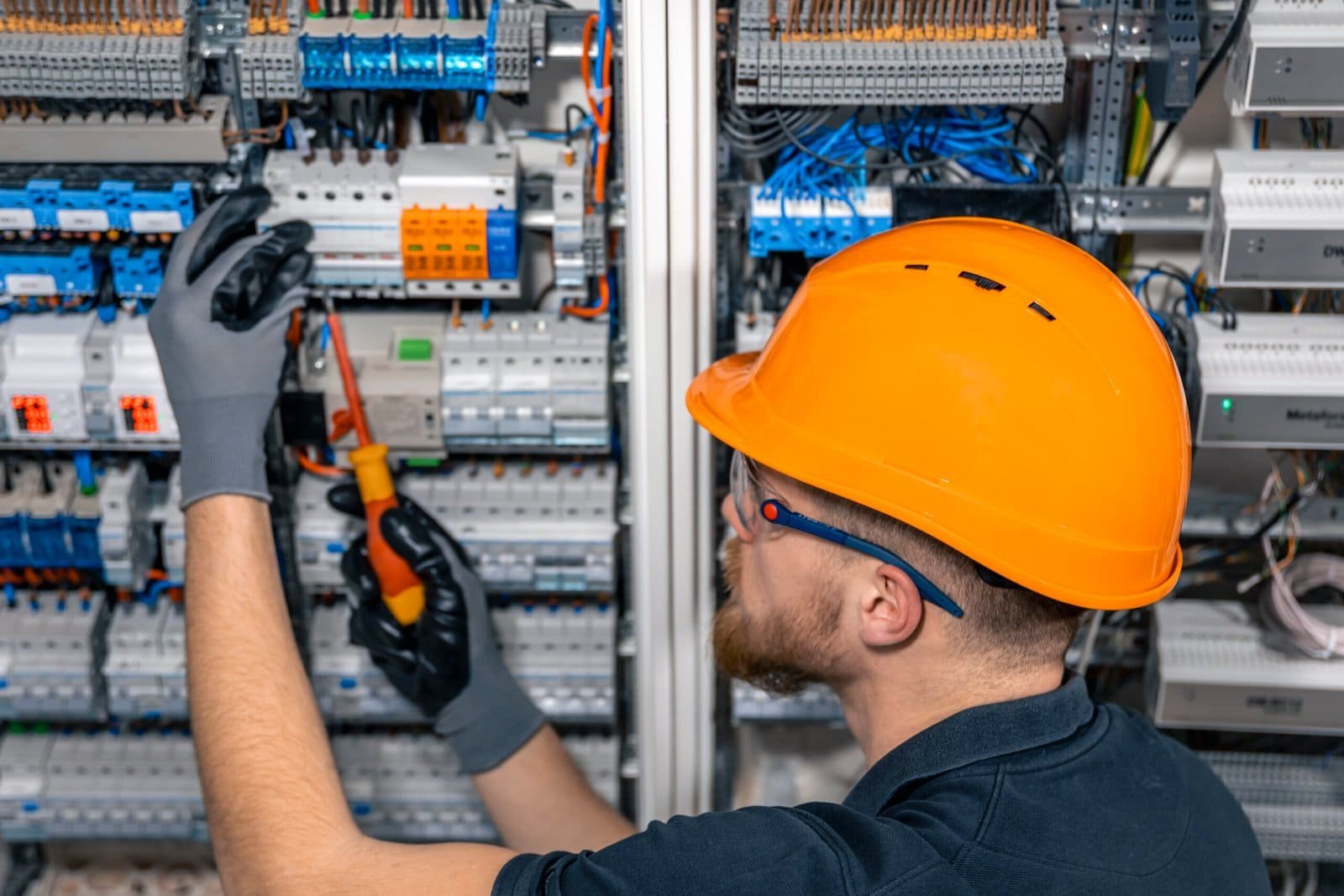
Your fuse box, now more commonly called a consumer unit, is the control centre of your home’s electrical system. It protects your circuits, appliances, and most importantly, the people inside your property from electrical faults, shocks, and fire risks. If your fuse box is outdated, damaged, or struggling to cope with modern electrical demand, it can become a serious safety hazard. Recognising the warning signs early can prevent electrical failures, costly repairs, and dangerous situations. Below are ten clear signs that your fuse box may need replacing.
Why Your Fuse Box Should Never Be Ignored
Most homeowners don’t give much thought to their fuse box until something stops working. However, the condition of your fuse box plays a critical role in the safety and reliability of your entire electrical system.
Electrical usage in UK homes has changed dramatically over the years. Modern properties rely on multiple appliances, smart devices, home offices, electric showers, and increasingly electric vehicle chargers. Older fuse boxes were never designed to handle this level of demand. As a result, many properties are now operating with fuse boxes that are outdated, overstressed, or no longer compliant with current safety standards.
Understanding the warning signs that indicate a fuse box replacement is needed can help you act before small issues become major hazards.
What Is a Fuse Box (Consumer Unit)?
A fuse box, also known as a consumer unit, is the central distribution point for electricity in your home. It receives power from the mains supply and safely distributes it across multiple circuits, such as lighting, sockets, kitchen appliances, heating, and outdoor electrics.
Inside the fuse box are protective devices designed to cut the power automatically if a fault occurs. These devices help prevent:
- Electrical fires
- Electric shocks
- Damage to appliances
- Overheating of wiring
When a fuse box is old or faulty, these protections may be limited or ineffective.
1. Circuit Breakers Trip Frequently
Occasional tripping can happen, especially when using high-powered appliances. However, if your circuit breakers trip regularly without a clear reason, this is a strong indication that your fuse box is no longer coping with your electrical demand.
Frequent tripping may suggest:
- Overloaded circuits
- Faulty breakers
- Worn internal components
- An outdated consumer unit design
If resetting the breakers becomes a regular task, your fuse box should be inspected and may need replacing.
2. Buzzing, Crackling, or Humming Sounds
A fuse box should operate quietly. Any buzzing, crackling, popping, or humming sounds are a cause for concern.
These noises often indicate:
- Loose connections
- Electrical arcing
- Failing components
- Overheating within the unit
Electrical arcing generates heat and significantly increases fire risk. Strange noises from your fuse box should never be ignored and often point to the need for replacement.
3. Burning Smells or Scorch Marks
A burning smell near your fuse box is a serious warning sign. You may also notice scorch marks, discolouration, or melted plastic around the unit.
These signs usually indicate:
- Overheating circuits
- Loose wiring
- Failing protective devices
- Internal damage
Electrical fires often start at points of overheating. If you detect burning smells or visible damage, switch off the power if safe to do so and contact a qualified electrician immediately. In many cases, replacing the fuse box is the safest solution.
4. Your Fuse Box Uses Old-Style Fuses
If your fuse box still uses rewirable fuse wire or ceramic fuses, it is considered outdated by modern standards.
Old-style fuse boxes:
- Require manual replacement of fuse wire
- Can be incorrectly rewired
- Do not provide protection against electric shock
- Lack modern safety features
While these systems may still function, they offer far less protection than modern consumer units and are strongly recommended for replacement.
5. Your Fuse Box Is Over 20–30 Years Old
Fuse boxes are not designed to last forever. As a general rule, consumer units older than 20–30 years may no longer meet current safety requirements.
Older units often lack:
- Residual current device protection
- Non-combustible enclosures
- Adequate circuit separation
- Capacity for modern electrical loads
Even if your fuse box appears to be working, age alone can justify replacement to improve safety and reliability.
6. Circuits Feel Overloaded
Modern homes use significantly more electricity than older systems were designed for. If your fuse box struggles to cope with everyday usage, this may show up as:
- Lights dimming when appliances switch on
- Power cutting out under normal use
- Breakers tripping when multiple devices are used
- Limited number of circuits for modern needs
An overloaded fuse box places constant stress on wiring and components. Replacing it with a modern consumer unit allows for better load distribution and improved safety.
7. No RCD Protection
Residual Current Devices (RCDs) are one of the most important safety features in modern electrical systems. They quickly disconnect the power if they detect electricity flowing in an unsafe way, such as through a person.
If your fuse box does not include RCD protection:
- The risk of electric shock is significantly higher
- The system may not meet current UK wiring regulations
- Safety is compromised, particularly in kitchens, bathrooms, and outdoor circuits
Lack of RCD protection is a strong reason to upgrade your fuse box.
8. Visible Damage, Rust, or Corrosion
Fuse boxes are typically installed in utility areas, garages, or under stairs, locations that may be exposed to moisture or temperature changes.
Signs of physical deterioration include:
- Rust or corrosion
- Cracked casing
- Loose components
- Signs of water ingress
Moisture and corrosion weaken electrical connections and increase resistance, which can lead to overheating and failure. A damaged fuse box should be replaced rather than repaired.
9. Poor or Missing Circuit Labelling
Every circuit in your fuse box should be clearly labelled to show what it controls. Poor labelling can cause confusion during emergencies, maintenance, or fault-finding.
Missing or incorrect labels may indicate:
- Old or poorly maintained installations
- Previous unprofessional electrical work
- Non-compliance with modern standards
When a fuse box is replaced, circuits are properly identified and labelled, improving safety and usability.
10. Your Electrical Needs Have Changed
Even if your fuse box appears to work fine, it may no longer be suitable if your electrical requirements have increased.
Common changes that justify replacement include:
- Installing an electric vehicle charger
- Adding extensions or loft conversions
- Upgrading kitchens with high-power appliances
- Installing electric showers or heating systems
- Running a home office or business equipment
A modern consumer unit provides the capacity and protection needed to support increased demand safely.
Why Replacing Your Fuse Box Improves Safety
Replacing an outdated or faulty fuse box with a modern consumer unit offers several important benefits.
Improved Protection Against Fire
Modern units are designed to detect faults early and disconnect power before cables overheat.
Reduced Risk of Electric Shock
RCDs and modern protective devices significantly reduce the risk of serious injury.
Better Reliability
New consumer units are less prone to nuisance tripping and power interruptions.
Compliance With Current Standards
Upgrading helps ensure your electrical system meets current UK wiring regulations.
Future-Proofing Your Home
A modern fuse box allows for future upgrades without compromising safety.
Why Fuse Box Replacement Should Always Be Done by a Professional
Replacing a fuse box is complex and involves working with live electrical supplies. It must be carried out by a qualified electrician who can:
- Safely isolate the power supply
- Install appropriate protective devices
- Test all circuits thoroughly
- Ensure compliance with regulations
- Provide certification and documentation
DIY electrical work on a fuse box is dangerous and strongly discouraged.
When to Book an Inspection
You should arrange a professional inspection if:
- You recognise one or more of the warning signs above
- Your fuse box is old or outdated
- You are buying or selling a property
- You are planning electrical upgrades or renovations
Early inspection can prevent hazards and identify whether replacement is required.
Conclusion
Your fuse box may be hidden away, but it plays a vital role in keeping your home safe. Frequent tripping, burning smells, strange noises, outdated components, and lack of modern protection are all clear signs that replacement may be necessary.
Upgrading to a modern consumer unit improves safety, reliability, and compliance while preparing your home for future electrical demands. Bradley Scott Electrical provides professional fuse box inspections, replacements, and consumer unit upgrades across London, Essex, and Kent. Contact us to discuss your concerns or arrange an inspection.