

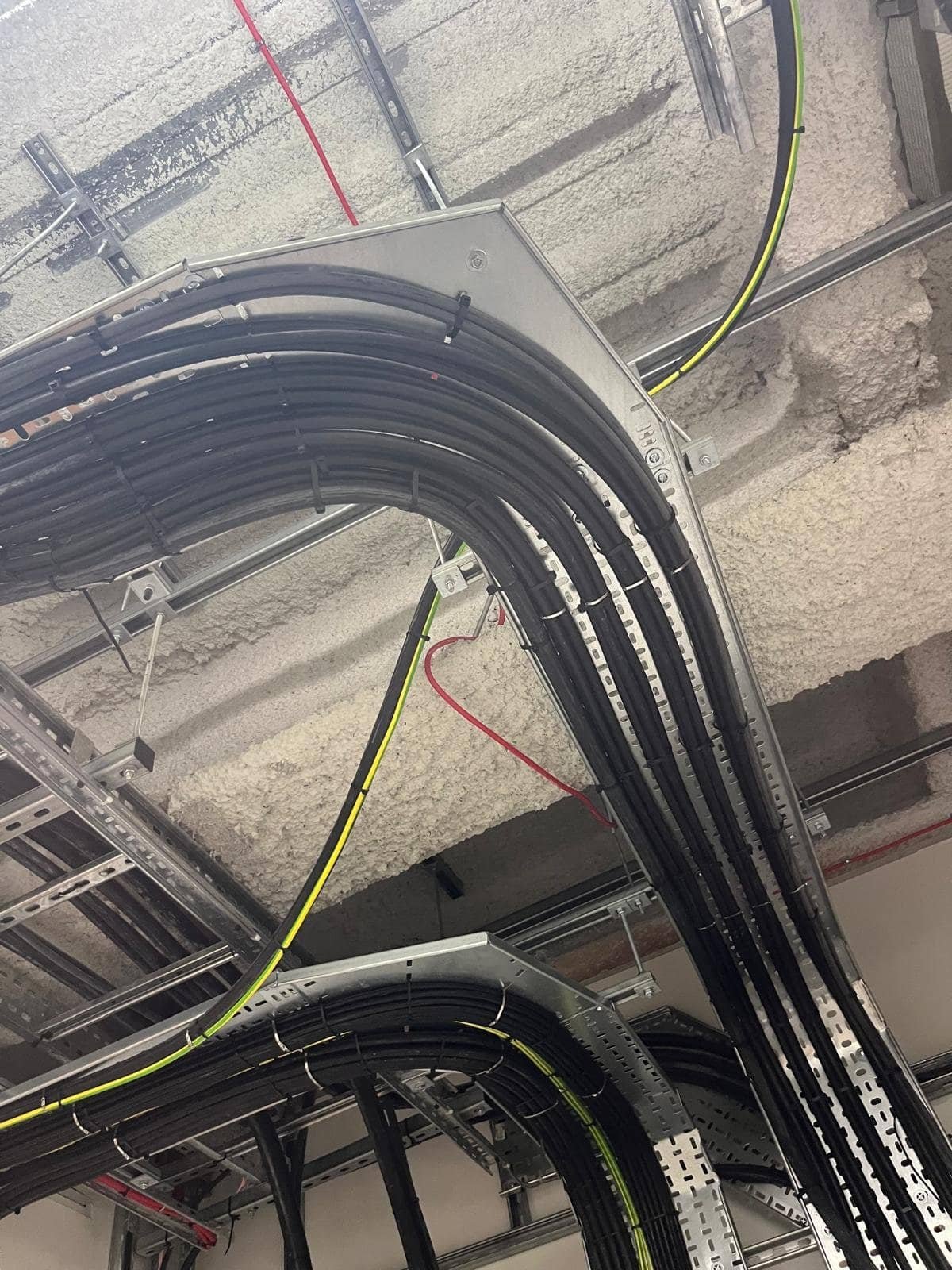
Smart technology is rapidly reshaping how commercial properties operate across the UK. From intelligent lighting controls and automated climate systems to connected security and monitoring tools, today’s buildings are becoming smarter, more efficient, and more responsive than ever before. To keep pace, property owners, developers, and facility managers must ensure their electrical systems are built with the future in mind. Future-proofing your building design isn’t just about keeping up with trends, it’s about ensuring your investment remains scalable, energy-efficient, and cost-effective for years to come.
Contact BSES Ltd. today to learn how our specialists can help you modernise your electrical infrastructure and prepare your property for tomorrow’s smart innovations.
What Does “Future-Proofing” Mean in Electrical Design?
In the context of electrical design, “future-proofing” means planning and installing systems that can easily adapt to future technologies without requiring extensive or costly upgrades. It’s about anticipating growth, technological shifts, and evolving energy standards. For example, integrating additional conduit space, modular wiring systems, and adaptable control interfaces allows your electrical infrastructure to support new smart devices and renewable technologies as they become available.
Why Commercial Buildings Need to Be Future-Proof
The pace of technological change is accelerating. Businesses are adopting Internet of Things (IoT) devices, AI-driven automation, and energy monitoring systems at record speed. Tenants now expect work environments that promote comfort, connectivity, and sustainability. Future-proofing ensures your office spaces can integrate these advanced solutions seamlessly.
Moreover, the UK’s regulatory landscape is pushing for energy efficiency and carbon reduction across all sectors. Building owners who fail to modernise risk falling behind both in compliance and competitiveness. A well-designed future-ready electrical system reduces operational costs, increases property value, and supports long-term business continuity.
The UK Market and Regulatory Drivers
Across the UK, smart building adoption is being driven by both market expectations and government policy. The push for net-zero carbon targets has made sustainable design and efficient lighting controls a priority. Regulations now require higher standards for energy performance, while corporate tenants increasingly demand intelligent systems that improve comfort and reduce waste. As a result, developers and landlords who invest in adaptable, data-driven infrastructure today will benefit from stronger returns and greater tenant satisfaction tomorrow.
Visit Bradley Scott Electrical Services to explore our services or schedule a consultation with our experts. Together, we’ll design a resilient electrical system that evolves with your business, enhances energy efficiency, and ensures long-term value.
Key Design Considerations for Smart-Ready Electrical Infrastructure
As technology continues to transform the way buildings operate, designing smart-ready electrical infrastructure has become essential. From EV charging stations and IoT devices to automated building controls, electrical systems must now be flexible, safe, and adaptable to future needs.
Below are the key design considerations that lay the groundwork for seamless integration of future technologies and long-term operational efficiency.
Scalability and Flexibility of Power Distribution
A truly smart-ready infrastructure must anticipate growth. The power distribution system should be designed with scalability in mind, allowing for new loads such as electric vehicle (EV) charging, data-driven devices, or expanded automation systems.
When planning the layout, engineers should:
- Provide spare capacity in distribution boards and switchgear for future circuits.
- Incorporate modular power systems that can be easily expanded.
- Ensure balanced phase loading to avoid inefficiencies as new electrical equipment is added.
This flexibility minimises future disruptions and helps property owners accommodate new energy demands with ease.
Integration of Smart Sensors, Building Automation, and Data Infrastructure
Today’s smart buildings rely on a combination of sensors, data networks, and automated controls to enhance efficiency, comfort, and sustainability. Integrating these systems early in the electrical design phase ensures smoother installation and better long-term performance.
Key strategies include:
- Embedding IoT-ready conduits and cabling to connect lighting, HVAC, and security systems.
- Designing dedicated control panels that can handle automation logic and sensor inputs.
- Implementing structured cabling to support reliable data transmission and reduce interference.
A well-integrated approach allows buildings to adapt quickly to new technologies, whether that’s advanced energy management, predictive maintenance, or occupancy-based controls.
Ensuring Compliance with UK Standards and Future-Proofing for Regulation
Compliance is more than just ticking boxes, it’s about safeguarding investment and ensuring long-term reliability. Smart-ready electrical designs must adhere to UK wiring regulations (BS 7671) and anticipate future regulatory updates, such as those concerning energy efficiency and carbon reporting.
Designers should also consider:
- Incorporating low-carbon technologies like solar PV and energy storage.
- Using energy monitoring systems that support reporting compliance.
- Keeping documentation and as-built drawings updated for future audits.
By planning for compliance and regulation changes early, you avoid costly retrofits and keep your property aligned with sustainability goals.
Wiring Topology, Conduit Routes, and Capacity Headroom
The physical design of wiring and conduits plays a vital role in both safety and scalability. Future-proofing involves more than just leaving extra space, it means creating a layout that accommodates reconfiguration.
- Design accessible conduit routes and trunking systems that allow easy upgrades.
- Provide capacity headroom in wiring and panels for anticipated loads.
- Consider zonal wiring topology, which supports flexible layout changes in commercial spaces.
This approach supports long-term adaptability, especially in buildings where tenant requirements or technological systems frequently change.
Electrical Safety, Resilience, and Redundancy in Design
Finally, safety and resilience are the foundation of any reliable electrical infrastructure. Smart buildings depend on uninterrupted power for critical systems, so the design must minimise downtime and risks.
Essential design practices include:
- Incorporating resilient power supplies, such as UPS systems and backup generators.
- Using protective devices like RCDs, circuit breakers, and surge protection.
- Designing for selective coordination, ensuring faults are isolated without affecting the entire system.
A resilient, redundant electrical network not only enhances safety but also ensures operational continuity, vital for facilities with automated or always-on systems.
Implementation Strategies and Best Practices
Implementing smarter electrical infrastructure in commercial properties requires more than just upgrading old systems, it demands a thoughtful, coordinated approach that balances functionality, cost-efficiency, and long-term sustainability. Whether you’re managing a renovation or overseeing a new build, careful planning can ensure your electrical systems support the evolving needs of modern work environments and align with forward-thinking building design principles.
Phased vs. Full-Build Implementation
One of the first decisions to make when upgrading to a smarter electrical setup is whether to take a phased or full-build approach. A phased implementation allows businesses to upgrade gradually, often ideal for occupied office spaces where minimising disruption is essential. This approach helps manage budgets and timelines, making it easier to adapt to technological advancements over time.
In contrast, a full-build implementation suits new developments or complete refurbishments. It provides the opportunity to integrate the latest energy-efficient technologies, from advanced power distribution systems to integrated lighting controls that automatically adjust brightness and colour temperature throughout the day. Both approaches can deliver excellent results, the key is aligning your strategy with operational requirements, budget, and long-term goals.
Choosing the Right Components
Selecting the right components is at the heart of an efficient installation. Smart panels, distribution boards, and metering systems enhance visibility and control over energy usage. Intelligent lighting controls, for example, not only reduce energy waste but also create a more comfortable environment for occupants by responding to occupancy levels and daylight availability. Advanced metering solutions can provide real-time insights into power consumption, allowing facility managers to make informed decisions about maintenance and performance optimisation.
Collaboration and Coordination
Successful implementation requires close collaboration among design consultants, M&E contractors, and other project stakeholders. Coordinating across disciplines ensures all systems, from power and lighting to IT and HVAC, work harmoniously. Design consultants play a critical role in aligning the electrical layout with the broader architectural vision and sustainability goals, while experienced contractors ensure compliance, safety, and operational reliability.
Early-stage collaboration also reduces costly rework and delays. Regular design reviews and communication between stakeholders help ensure that every aspect of the project, from cabling routes to control interfaces, is properly integrated and future-ready.
Real-World Best Practices
Across the UK, commercial fit-outs are increasingly adopting innovative systems such as under-floor power and data distribution and advanced lighting automation. These upgrades support flexible layouts and enhance workplace productivity while simplifying future reconfigurations. Smart monitoring tools can also track system performance, predict maintenance needs, and flag inefficiencies before they impact operations.
Maintenance, Monitoring, and Future-Proofing
Once the system is in place, continuous monitoring and proactive maintenance are key to maximising performance. Building management systems (BMS) integrated with data analytics can provide valuable insights into energy patterns and system health. By regularly reviewing performance data, property managers can identify areas for improvement and plan upgrades that keep the facility aligned with modern efficiency standards.
Monitoring, Adaptation and Future Trends
As technology advances and energy demands evolve, the way commercial buildings manage their electrical systems must also progress. For property owners, facility managers, and landlords, monitoring and adaptation are not just maintenance strategies; they’re essential for ensuring long-term efficiency, safety, and cost-effectiveness. Keeping a building’s electrical infrastructure up to date allows it to operate at peak performance while remaining ready for the next generation of smart technologies.
Ongoing Monitoring: Using Data to Optimise Performance
Modern electrical systems provide more than just power; they provide valuable data. Through smart meters, automated control panels, and energy management systems, building operators can continuously monitor energy usage, detect inefficiencies, and make informed adjustments.
This real-time data helps identify patterns that may indicate energy waste, overloaded circuits, or declining equipment performance. By acting early, facility teams can reduce operational costs, prevent breakdowns, and improve overall safety. Moreover, optimising energy consumption doesn’t just save money; it also enhances occupant comfort by maintaining ideal lighting levels, consistent temperatures, and reliable power delivery across all zones.
Routine monitoring can also support sustainability goals. Analysing usage data allows managers to pinpoint when and where energy-saving measures, such as LED upgrades or motion-based lighting controls, will have the greatest impact.
Trends to Watch in the UK Commercial Sector
EV Charging Infrastructure
With the UK’s growing commitment to electric mobility, installing EV charging stations has become a key consideration for commercial properties. Offering EV charging not only attracts tenants and customers but also supports environmental initiatives and futureproofs the property for changing transportation trends.
Demand-Response and Smart Metering
The shift toward demand-response programs allows buildings to adjust power usage during peak hours, helping balance grid demand and reduce costs. Smart meters play a crucial role here, giving real-time insights that allow businesses to respond intelligently to tariff changes and consumption patterns.
Renewable Energy Integration
Solar panels, battery storage, and hybrid energy systems are rapidly becoming standard in forward-thinking commercial spaces. Integrating renewable sources with a building’s electrical network reduces dependence on the grid and improves sustainability credentials, which can boost property value and attract eco-conscious tenants.
Building Adaptability for the Future
To ensure long-term value, it’s important to design and maintain electrical systems that can accommodate future technologies without requiring major rewiring. Modular designs, flexible conduit systems, and scalable circuit boards allow buildings to evolve as new energy solutions emerge. This adaptability reduces upgrade costs and ensures minimal disruption when integrating innovations like next-generation smart lighting, AI-based automation, or expanded EV infrastructure.
Staying Ahead: A Practical Checklist
To stay competitive and compliant, building owners and managers should regularly review the following:
- Monitor energy data through smart systems for continuous improvement.
- Schedule periodic electrical audits to detect and correct inefficiencies early.
- Plan for upgrades that align with upcoming technologies and regulations.
- Incorporate renewable energy solutions where feasible.
- Train staff to use monitoring tools effectively for proactive maintenance.
Integrity and Innovation in Every Connection
The future of electrical systems lies in adaptability and innovation, and Bradley Scott Electrical Services (BSES Ltd) is leading that charge. With 2,500+ completed projects, we’re proud to help clients create buildings that are efficient, safe, and ready for tomorrow’s technologies. Our work spans design, installation, and maintenance, always driven by honesty, integrity, and sustainability.
Reach out today at 01708 874 843 or email enquiries@bradleyscottelectrical.com. Visit bradleyscottelectrical.com to start your journey with us.